

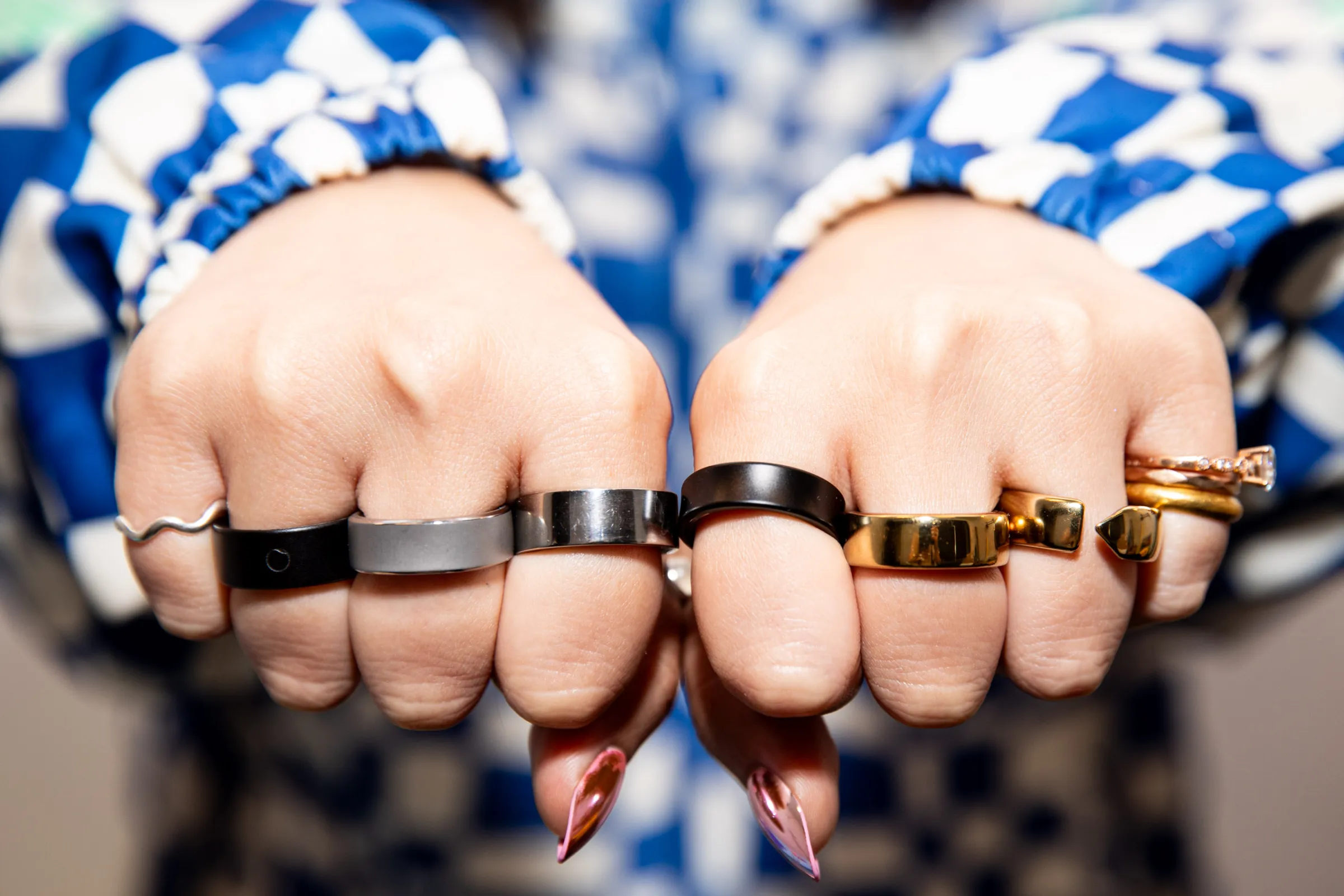
The Best Smart Ring gives you sleep tracking, heart rate monitoring, stress insights, and daily activity data 24 hours a day without looking like a gadget strapped to your wrist. Smart rings have quietly moved from novelty to serious health tools, and the category is getting increasingly competitive.
The best smart rings in 2025 are the Oura Ring 4 (best overall), Samsung Galaxy Ring (best for Android/Galaxy users), and RingConn Gen 2 (best if you want no monthly subscription). Each has a clear strength, but the right choice depends on what you’re tracking and how much you want to pay over time.
What Can a Smart Ring Actually Do?
| Feature | What It Tracks | Which Rings Offer It |
|---|---|---|
| Sleep Tracking | Sleep stages, duration, quality score, disturbances | Oura, Samsung, RingConn, Ultrahuman |
| Heart Rate (24/7) | Resting HR, elevated HR alerts | All major rings |
| HRV (Heart Rate Variability) | Recovery and stress indicator | Oura, RingConn, Ultrahuman |
| SpO2 (Blood Oxygen) | Oxygen saturation during sleep | Oura, Samsung, RingConn |
| Skin Temperature | Illness detection, cycle tracking | Oura, Samsung, Ultrahuman |
| Activity Tracking | Steps, calories, active minutes | All major rings |
| Cycle & Fertility Tracking | Menstrual cycle prediction | Oura (with Natural Cycles integration) |
| Stress / Readiness Score | Daily readiness recommendation | Oura, Ultrahuman, RingConn |
Top Smart Rings Compared
| Ring | Price | Battery Life | Subscription | Best For |
|---|---|---|---|---|
| Oura Ring 4 | $349 | 8 days | $5.99/month | Best overall accuracy & health insights |
| Samsung Galaxy Ring | $399 | 7 days | None (Galaxy required) | Samsung/Android ecosystem users |
| RingConn Gen 2 | $269 | 10 days | None | No-subscription, long battery life |
| Ultrahuman Ring AIR | $349 | 6 days | None | Fitness-focused, clean UI |
| Circular Ring Slim | $259 | 4-5 days | Optional ($9.99/mo) | Budget entry, slim design |
Oura Ring 4 – The Gold Standard
The Oura Ring 4 is the most accurate consumer health ring available. Its fourth-generation sensors track temperature, heart rate, HRV, and movement with a level of precision that rivals clinical-grade devices in several studies. The sleep tracking, in particular, is considered best-in-class.
The catch is the subscription. At $5.99/month (after a free trial), you’re essentially renting full access to your own health data. Without it, insights are heavily limited. Over 5 years, that’s nearly $360 in subscription fees on top of the ring itself.
- Best for: serious health trackers, people who want deep sleep analysis, women tracking menstrual cycles
- Downside: subscription cost, no display, requires phone for data
Samsung Galaxy Ring – Best for Android Users
Samsung entered the smart ring market in 2024 and came in strong. The Galaxy Ring requires no monthly subscription, integrates tightly with Samsung Health, and works best when paired with Galaxy phones. It shares health data with Samsung’s Galaxy Watch ecosystem, so if you already wear one, the combination is genuinely powerful.
Non-Samsung Android users can still use it, but the experience is noticeably thinner outside the Galaxy ecosystem. iPhone users: it’s not compatible.
- Best for: Samsung Galaxy phone users, Android users who want no subscription
- Downside: limited usefulness outside Samsung ecosystem, no iOS support
RingConn Gen 2 – Best Without a Subscription
If subscription fatigue is real for you, RingConn is the answer. No monthly fee, ever. The Gen 2 improved sensor accuracy significantly over the first generation and now offers solid HRV tracking, sleep staging, and stress monitoring. Battery life at 10 days is the best in the category.
The app isn’t as polished as Oura’s, and the health coaching features are more basic – but for someone who just wants clean biometric data without ongoing fees, it’s excellent value.
- Best for: budget-conscious buyers, people who hate subscriptions
- Downside: app is less refined, fewer third-party integrations
Smart Ring vs. Smartwatch: Which Should You Choose?
| Factor | Smart Ring | Smartwatch |
|---|---|---|
| Comfort (24/7 wear) | Much more comfortable, barely noticeable | Can feel bulky, especially at night |
| Sleep tracking | More accurate (finger has better blood flow data) | Good but ring generally wins |
| Display / Notifications | None – phone only | Full display, calls, notifications |
| Battery life | 5-10 days typical | 1-3 days typical |
| Workout tracking | Basic (no GPS in most rings) | Detailed with GPS |
| Price | $250-$400 + possible subscription | $200-$800 |
| Style | Discreet, jewelry-like | Obvious tech device |
Things to Know Before You Buy
- Sizing is critical – order a sizing kit first (most brands offer one free). Rings cannot be resized.
- Dominant vs. non-dominant hand – most brands recommend non-dominant for accuracy
- Not a medical device – smart rings are wellness tools, not FDA-cleared diagnostics (Oura has some FDA clearances for specific features)
- Water resistance – all major rings are water resistant (swimming-safe), but check the rating
- Return windows vary – Oura and Samsung offer 30-day returns; confirm before buying
Smart rings are no longer a compromise – for sleep, recovery, and passive health monitoring, they are genuinely better than a watch for many users. Pick the one that fits your ecosystem, budget, and tolerance for ongoing fees.
